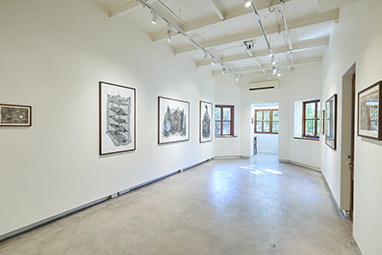
Fulcrum presents ‘of pillow poems and delayed dawns’, a solo exhibition by artist Dipali Gupta that explores the social, economical and historical factors that shape human desire and pleasure. Opening on 13 August 2026 and running through 26 September 2026, the exhibition highlights systems that shape an understanding of female sexuality and pleasure through the entangled relationship between sex, desire and the machine. Drawing from her research into theories of pleasure, the artist questions the systems that extract and capitalise human desire. Gupta’s work also closely examines artistic canons and historical erotica creating an alternate visual narrative of pleasure. The works concomitantly question structures of reproduction, domesticity and female objectification, dismantling entrenched patriarchal systems.